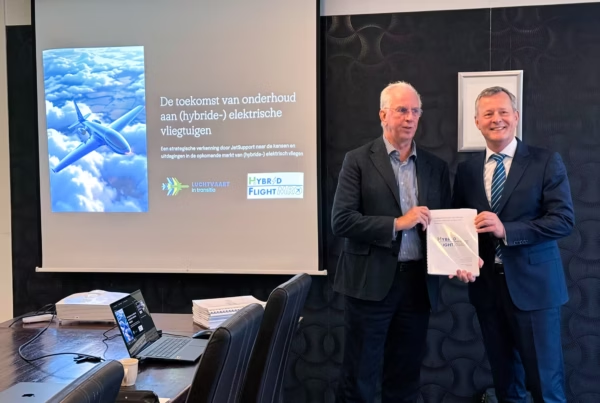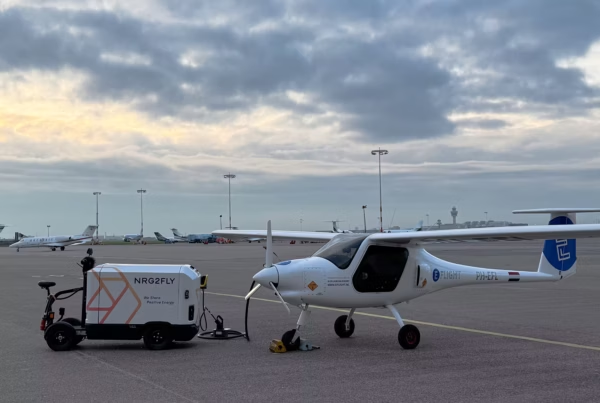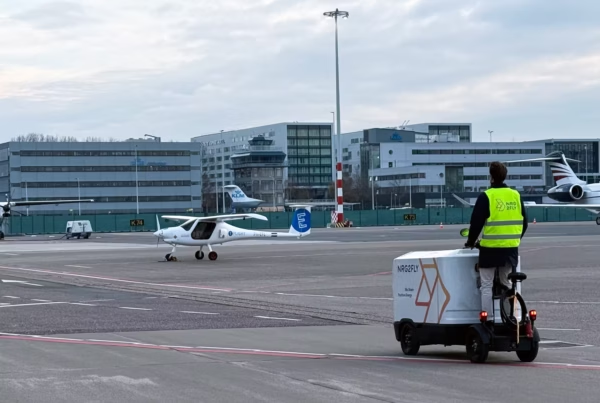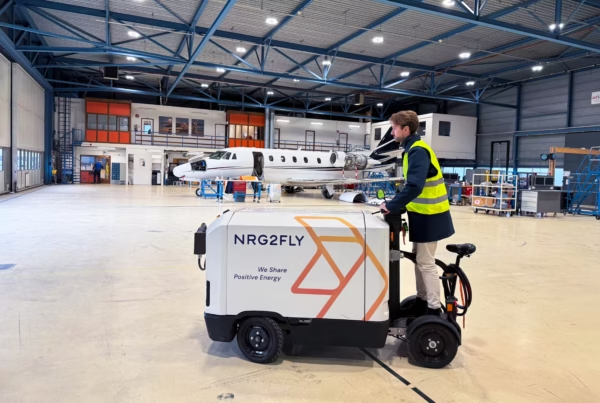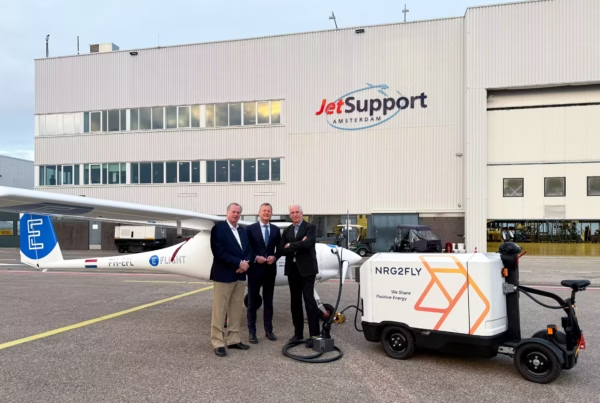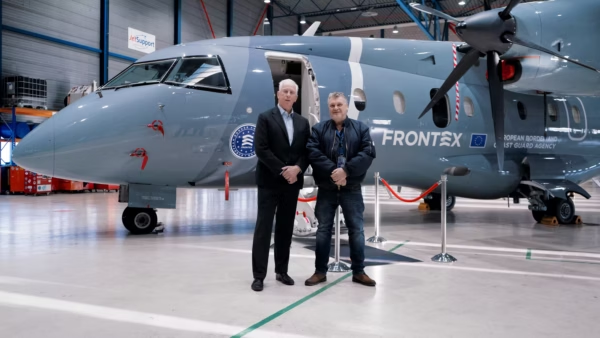
JetSupport has released its Hybrid MRO report, an in depth exploration of how maintenance organisations must adapt to electric, hybrid electric and hydrogen powered aircraft. During a visit to Schiphol Airport, the King’s Commissioner received the first printed copy.The publication reflects the growing momentum within the Dutch innovation ecosystem and the role maintenance organisations play in shaping the next phase of aviation.
A Sector Approaching TransformationThe Hybrid Flight MRO study shows that aviation is moving into a new technological era. Electric propulsion, hydrogen fuel cell systems and advanced air mobility introduce maintenance requirements that differ fundamentally from conventional aircraft. New disciplines such as battery health management, high voltage inspection and hydrogen handling become part of daily operations. Regulatory frameworks evolve at a fast pace, while OEM strategies diverge across platforms. The shift also affects business fundamentals and may require new organisational models. The report concludes that maintenance for electric aircraft is not a gradual step but a complete transformation that demands new competencies, new infrastructure and for some organisations even a dedicated NewCo setup. Leadership and Industry InsightsAt the publication event references are made to , Daniel from Penta Holding and Fokker Services provided a technical briefing on the current status of electric propulsion. He discussed the readiness levels of electric and hybrid electric aircraft, the potential of hydrogen fuel cell systems in regional aviation, and the expected timeframes for certification and commercial entry. He also emphasised the role of maintenance organisations in enabling safe and reliable adoption. His insights reinforce the report’s findings, which call for specialised diagnostics, revised safety procedures and scalable charging and hydrogen storage solutions. JetSupport’s Strategic Roadmap Toward Electric MROThe report outlines several initiatives that JetSupport is already pursuing as part of its long term preparation for electric MRO. Ongoing feasibility studies examine new maintenance setups, tooling and workflows. Proof of concept projects explore charging systems and the infrastructure required to handle electric aircraft safely and efficiently. JetSupport collaborates with KLM, NLR, TU Delft, Deltion, Vista College and BrightSky to strengthen the talent pipeline and technical knowledge essential for future maintenance. The company also takes part in programmes such as Modern Workforce Flight Sense TSH 3 that help develop the next generation of technicians. JetSupport contributes to the Flying Fieldlab Elektrisch Vliegen where demonstration flights and operational testing take place. These actions follow the logic that early movement is essential. Operators and OEMs are already making strategic decisions about future maintenance partners and the organisations that prepare now will be in a stronger position as the market evolves. Policy Context for Dutch Business AviationThe publication comes at a challenging moment for business aviation in the Netherlands. Joint statements from the European Business Aviation Association and the Dutch Business Aviation Association highlight concerns about a proposed tax amendment that disproportionately affects aircraft with up to nineteen seats. According to these organisations, the measure was introduced with limited debate and very little sector consultation. Business aviation accounts for only 0.04% of global carbon emissions yet it plays an important role in economic connectivity, medical transport and maintenance related flights. France has implemented a similar policy and saw its national operators lose market share to foreign operators without reducing total activity. In this context, work on sustainable propulsion becomes even more relevant. Electric and hybrid powertrains gain traction first in the smaller aircraft segment. They form the front line of clean aviation development and create the foundation for broader adoption across the sector. The Hybrid MRO report stresses that business and general aviation are essential testing grounds for electric and hydrogen technologies. Weakening this ecosystem would slow the progress of innovation and the environmental gains it aims to achieve. MRO Ecosystem of 2030 to 2035The path forward described in the report focuses on building the operational and technical environment that the next generation of aircraft will require. Fieldlab demonstrations will continue, providing real world insights into electric and hybrid aircraft operations and maintenance. Scalable infrastructure for Schiphol Oost and partner airports will be developed to meet future charging and handling needs. Collaboration with OEMs will intensify as manufacturers define their maintenance concepts. Workforce development remains a priority with training programmes designed to prepare technicians for high voltage systems and new safety protocols. These actions align with the anticipated commercial introduction of electric aircraft between 2030 and 2035. The report closes with a clear message for the maintenance sector. The organisations that begin preparing now will shape the future of sustainable aviation and become the natural partners for operators transitioning to these new technologies. |